Road Marking
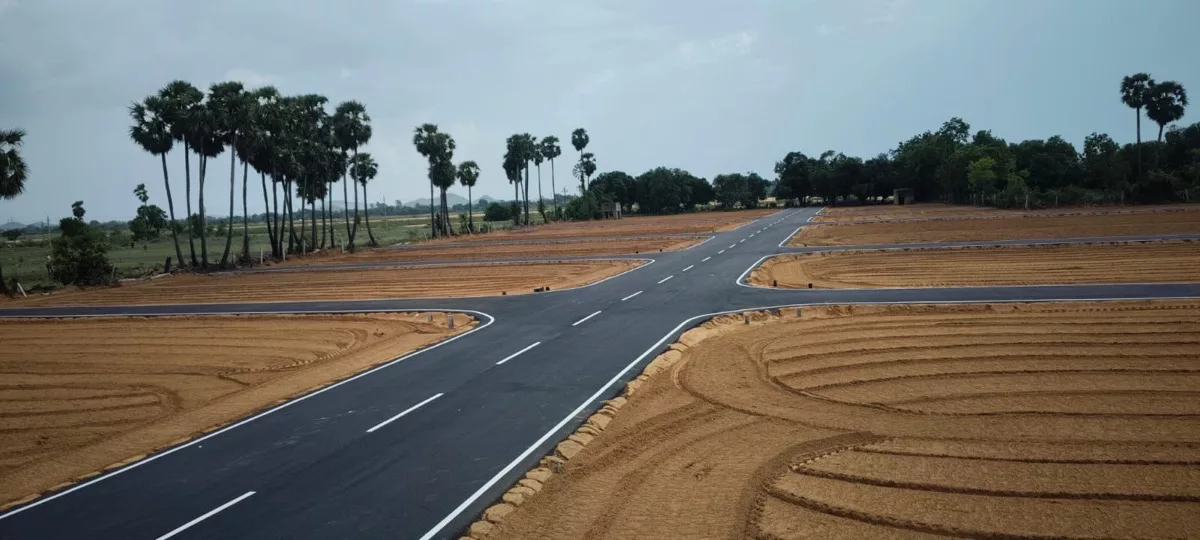
Centre lines, lane markings, edge lines, stop lines, zebra crossings, directional arrows and parking marking.
Road marking guides traffic, separates lanes and directions, and tells drivers and pedestrians where to stop, cross or park. Deepam Road Marking applies these markings using both thermoplastic (see the dedicated Thermoplastic Road Marking page) and conventional cold-applied paint, depending on the surface, traffic volume and durability required.
The line types below are the ones most commonly required on highways, layout roads, and industrial or institutional facility carriageways.
Line Types
Common road marking types
| Marking | Typical Colour | Purpose |
|---|---|---|
| Centre line | White or yellow | Separates opposing or same-direction traffic flows along the centre of the carriageway. |
| Lane marking | White | Divides a carriageway into distinct lanes for traffic travelling the same direction. |
| Edge line | White | Marks the outer edge of the usable carriageway, improving visibility of the road boundary, especially at night. |
| Stop line | White | Marks the point where vehicles must stop at a junction, signal or crossing. |
| Zebra / pedestrian crossing | White | Marks a designated pedestrian crossing point across the carriageway. |
| Directional arrows & word markings | White | Indicate permitted direction of travel or lane use (e.g. turning lanes, "TRUCK", "BUS" facility lanes). |
| Parking bay marking | White or yellow | Defines individual parking spaces in a lot, layout or facility yard. |
Exact colour and pattern requirements follow the applicable road authority specification for a given project.
In The Field
Road marking work by Deepam Road Marking
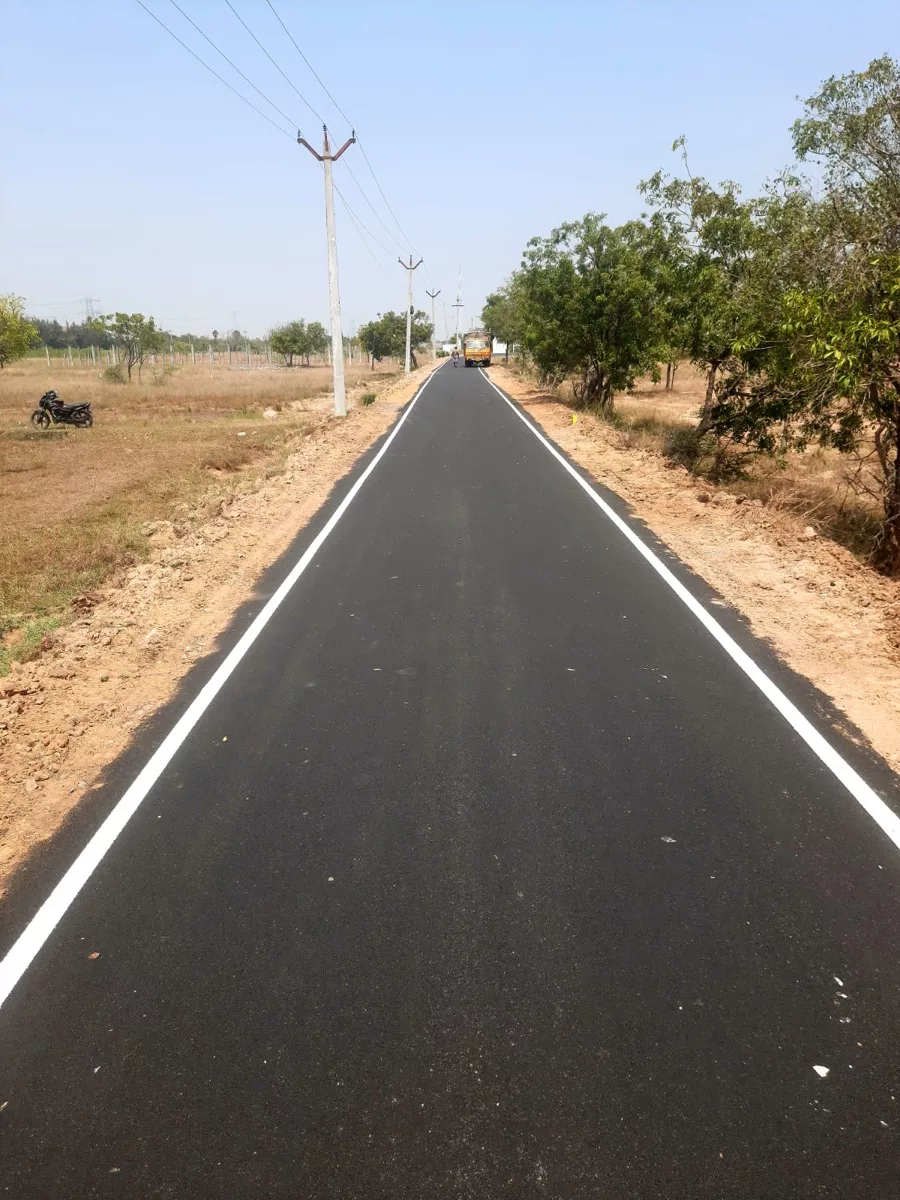
Edge Line MarkingOpen highway carriageway
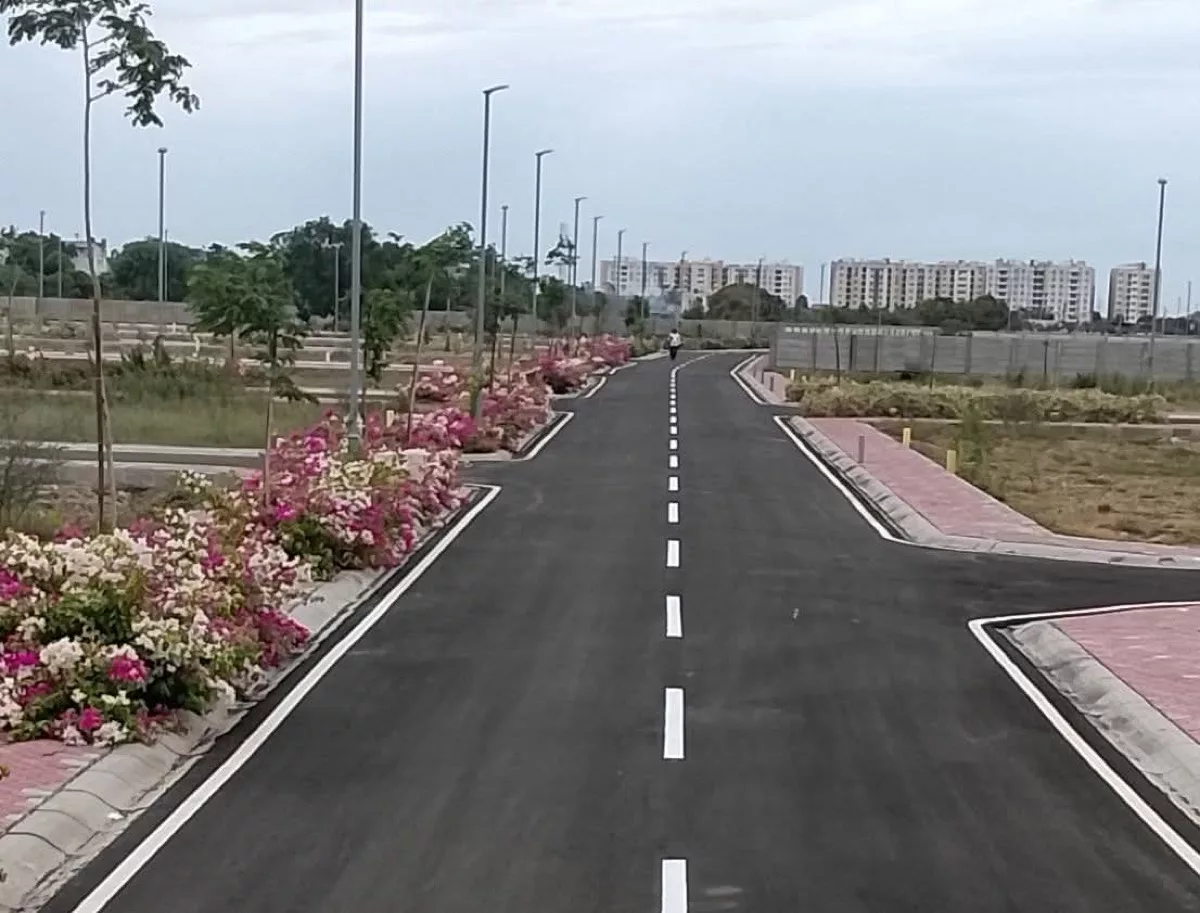
Layout Road MarkingLandscaped access road
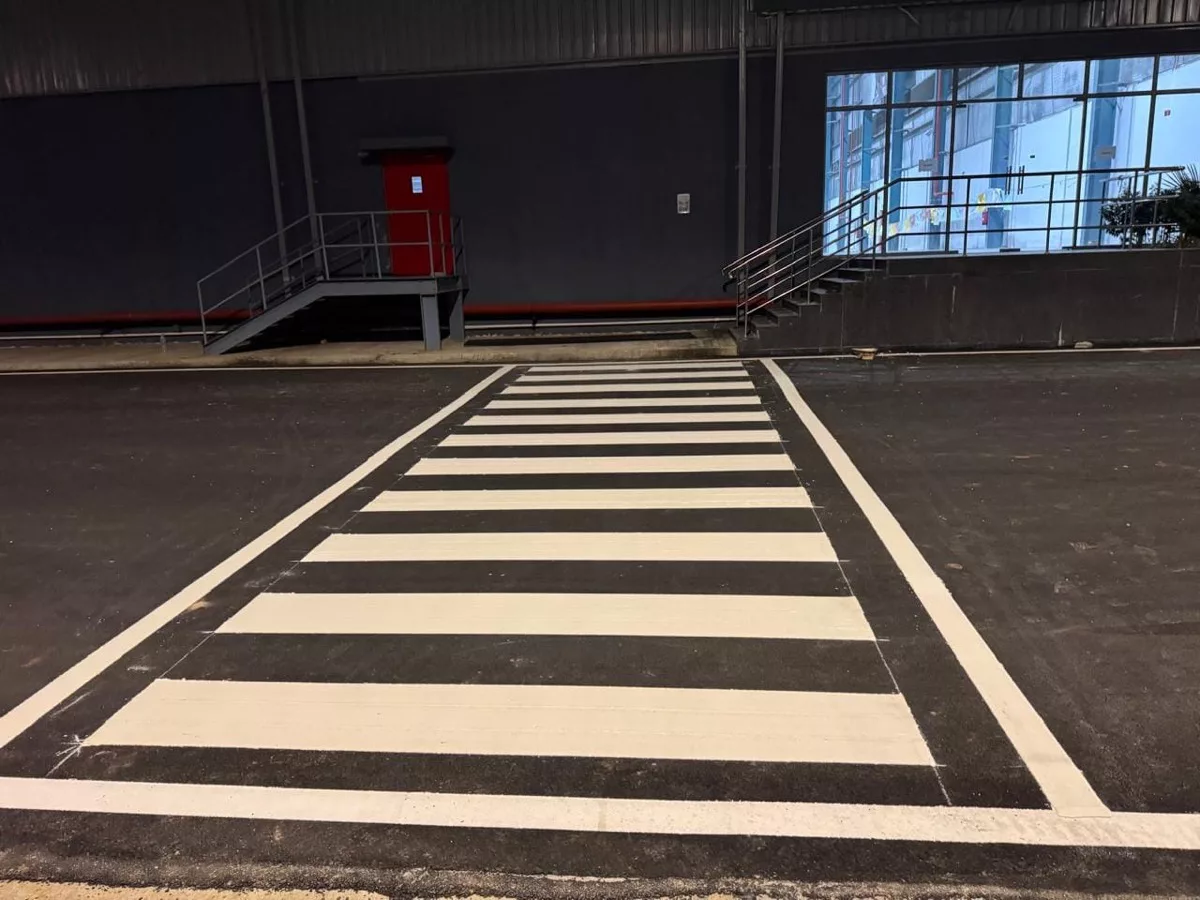
Zebra CrossingWarehouse / industrial facility
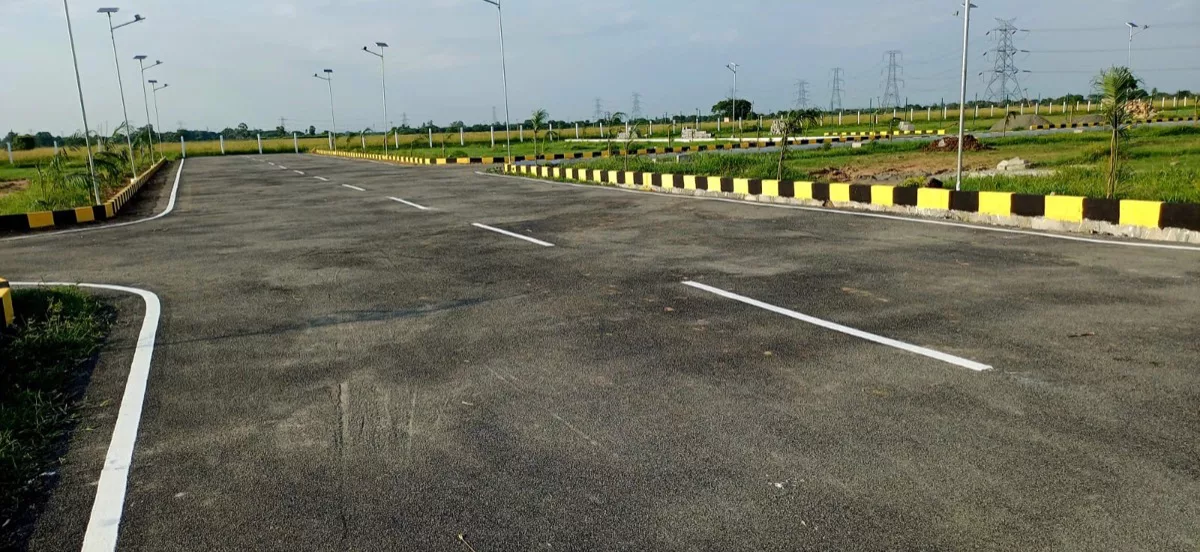
Parking & Lane MarkingKerbed layout development
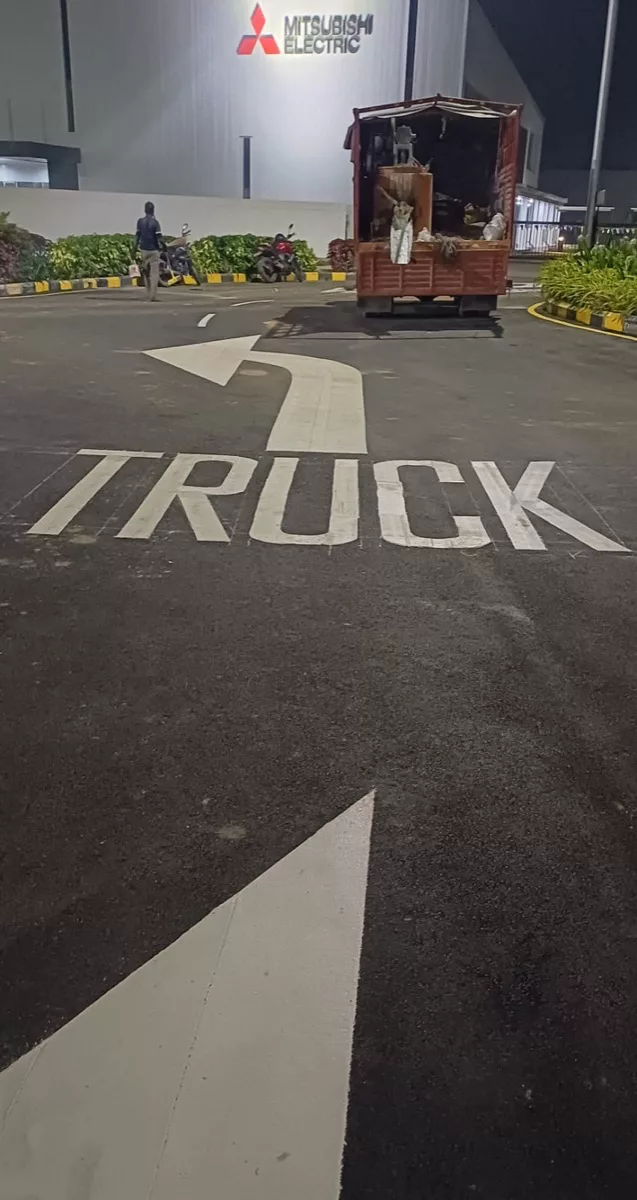
Directional Word MarkingIndustrial facility access road
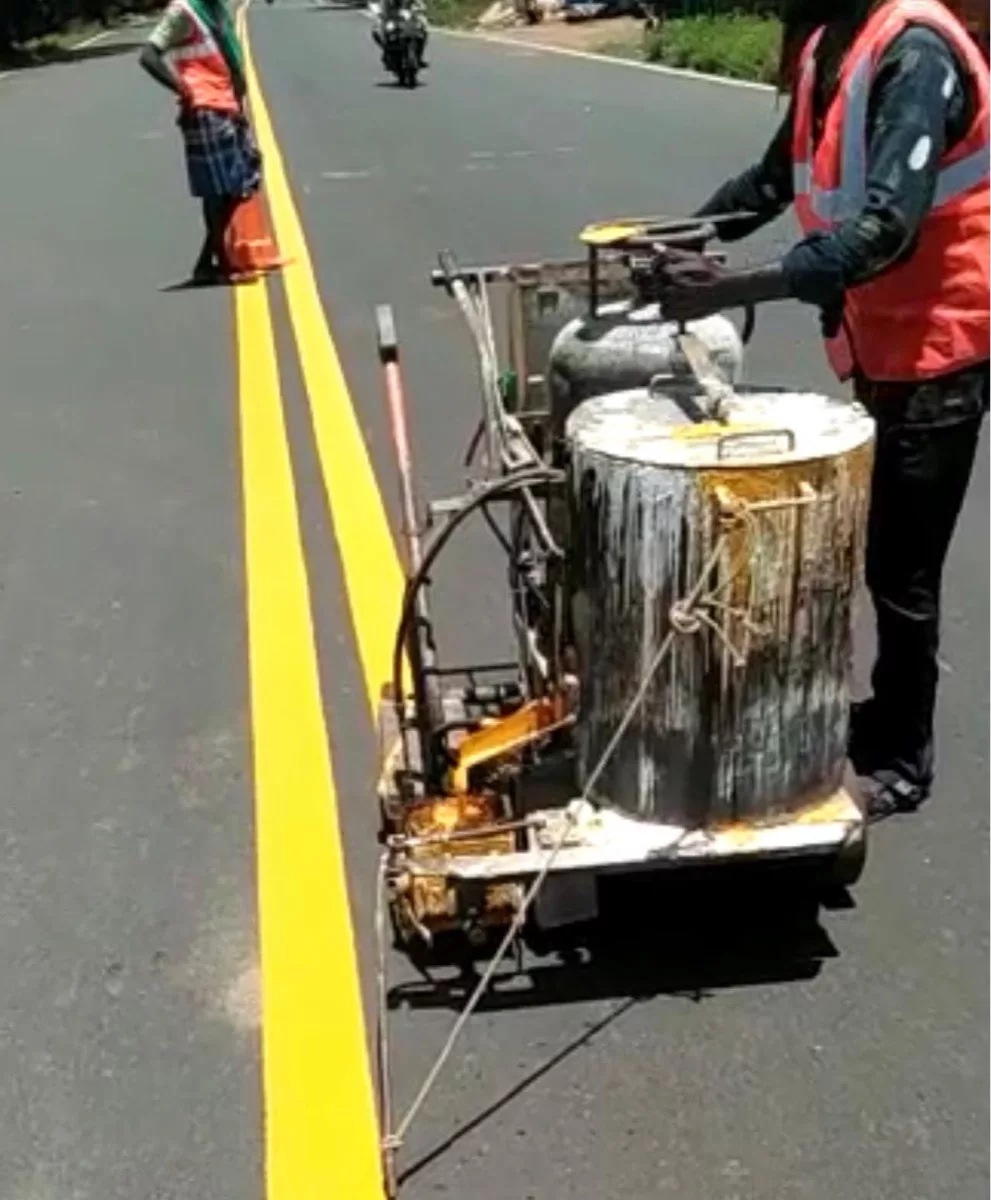
Conventional Paint MarkingDouble centre line application